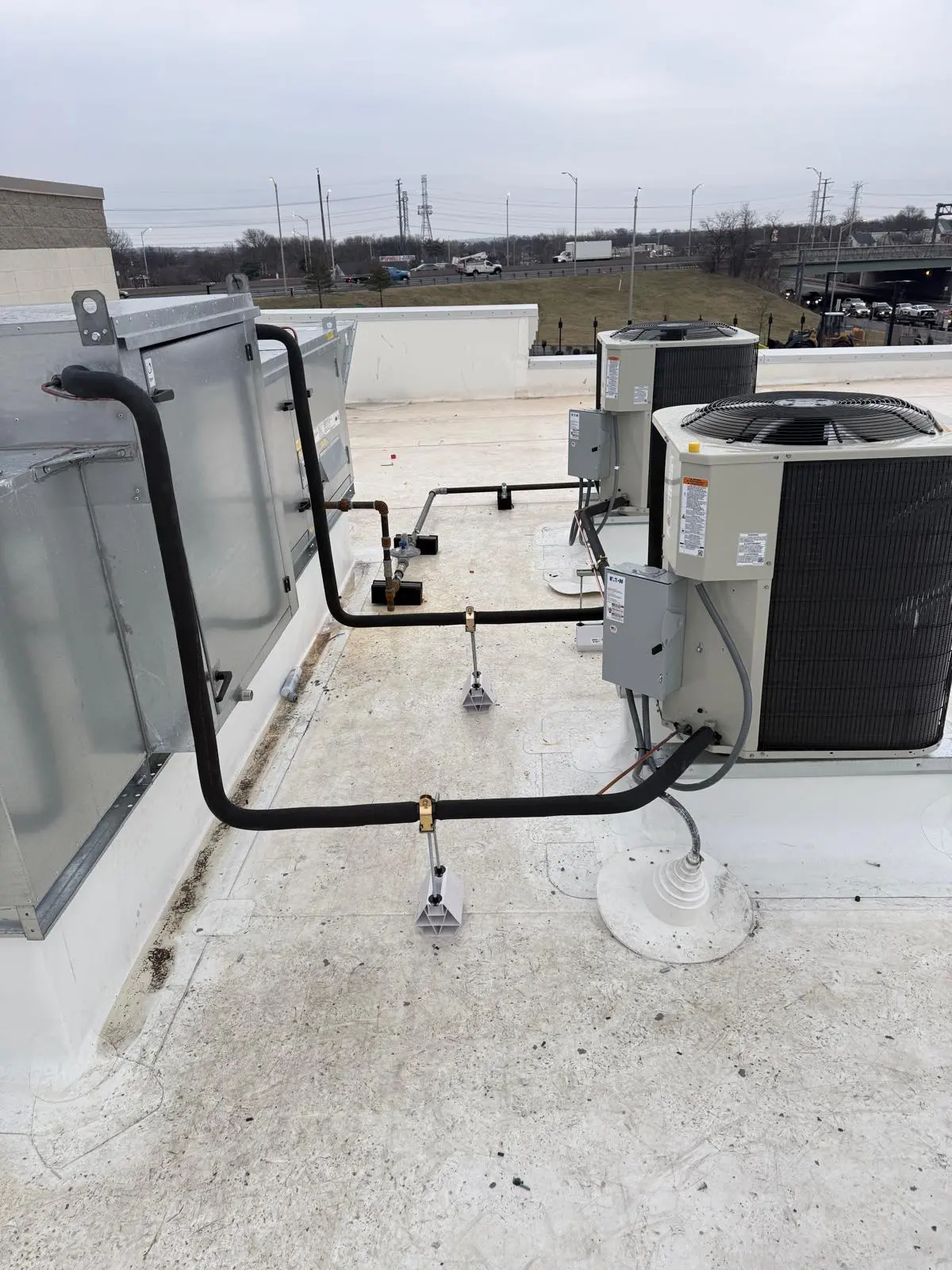
If you have ever wondered how often you should service your HVAC system, you are not alone. It is one of the most common questions New Jersey homeowners ask, usually right after a surprise breakdown or a high energy bill. The honest answer is simpler than you might think, and following it can save you real money over the life of your system. Regular maintenance keeps your heating and cooling running efficiently, prevents most breakdowns, and helps your equipment last years longer. Skipping it does the opposite. In this guide, we explain the ideal service schedule, why maintenance matters more than most people realize, what actually happens during a professional tune-up, and the warning signs that your system needs attention now. Whether you have central air, a furnace, a heat pump, or a ductless mini split, the same basic principles apply and keep your home comfortable all year. A little planning keeps your home comfortable and your bills low.
The Short Answer: Twice a Year
For most homes, the ideal schedule is twice a year: once in spring for your cooling system and once in fall for your heating system. Spring service gets your air conditioner ready before humid New Jersey summers, while fall service prepares your furnace or heat pump for winter. If you have a heat pump that both heats and cools, two visits a year are still smart because the system works hard in every season. Newer, lightly used systems can sometimes stretch to once a year, but twice is the safe standard that manufacturers and technicians recommend. Between professional visits, you should still change your air filter every one to three months. That simple habit protects airflow and keeps your system from working harder than it needs to.
Why Regular HVAC Maintenance Matters
Skipping maintenance is one of the most expensive shortcuts a homeowner can take. A neglected system runs less efficiently, so it uses more energy and drives up your monthly bills. Small problems, like a weak capacitor or a dirty coil, go unnoticed until they cause a full breakdown, often on the hottest or coldest day of the year. Regular tune-ups catch these issues early, when they are cheap to fix. Maintenance also protects your manufacturer warranty, which many companies void if you cannot show proof of service. Beyond the money, a well-maintained system heats and cools more evenly, filters your air better, and lasts significantly longer. In short, a couple of visits a year pays for itself many times over in comfort, savings, and peace of mind.
What a Tune-Up Actually Includes
A professional HVAC tune-up is far more than a quick glance. A technician cleans the coils, checks refrigerant levels, and tests airflow to make sure the system breathes properly. They inspect and tighten electrical connections, test the capacitor and motors, and calibrate the thermostat. On heating systems, they check the igniter, flame sensor, burners, and safety controls, which also protects against carbon monoxide risks. They replace or check the filter and clear the condensate drain. Along the way, they flag worn parts before those parts fail. You get a clear report of your system’s condition and honest recommendations, with no pressure to buy things you do not need. Think of it as a full physical for your heating and cooling equipment, done before problems start.
Signs Your System Needs Service Now
Even with a good schedule, watch for signs that your system needs attention sooner. Weak or uneven airflow, rooms that never reach the set temperature, and a system that runs constantly all point to trouble. Strange noises like grinding, banging, or squealing, along with unusual smells, should never be ignored. A sudden jump in your energy bill often means your system is straining. Short cycling, where the unit turns on and off rapidly, is another red flag. If you notice any of these, do not wait for your next scheduled visit. Catching a problem early is almost always cheaper than an emergency repair or a full replacement. When something feels off, a quick professional check is the smart move for your New Jersey home.